
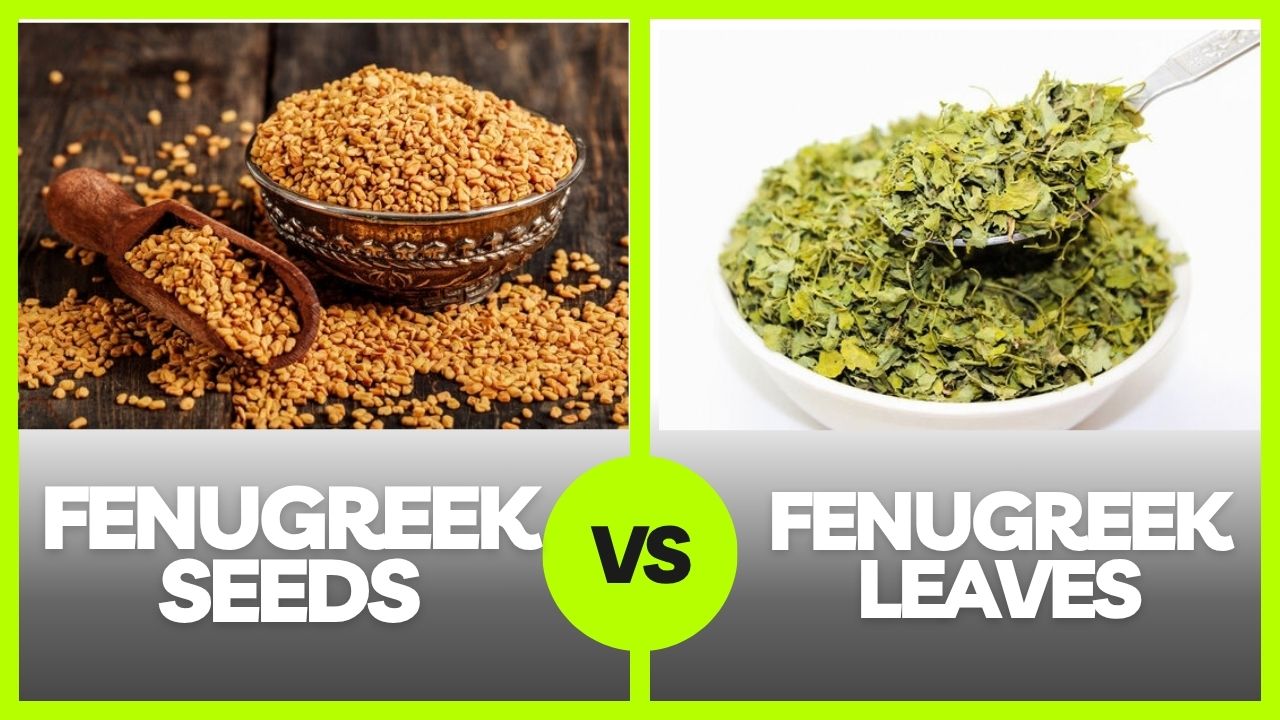
If you step into a kitchen in Gujarat or the Gulf region,you are highly likely to find both forms of fenugreek in the spice containers : one jar holding small,bitter,amber-colored seeds & another containing aromatic,dried & crushed leaves.Although both originate from the same plant,they are treated as entirely distinct products in the export market, involving different buyers,documentation requirements, and value propositions. A comparison between fenugreek seeds and leaves is provided below.
One Plant - Two Distinctly Different Products
Fenugreek - locally known as “Methi” is derived from the plant Trigonella foenum-graecum. Both its seeds and leaves are utilized in the cuisine of the Indian subcontinent,albeit in different ways.The seeds which are hard,angular & amber-yellow are used as a spice.they are typically tempered in oil at the start of cooking or ground for inclusion in spice blends. The leaves, used in either fresh or dried form,serve as an aromatic herb,imparting a subtle note of that characteristic bitterness and aroma to dishes.Once dried,fenugreek leaves are known in the market as “Kasuri Methi”.it is primarily these dried leaves that are sold internationally,as fresh leaves do not withstand long-distance transport well.
Fenugreek Seeds (Methi Dana) : A Widely Sold Spice
Fenugreek seeds - often sold as “Methi Dana” - represent the more standardized of the two products.They are hard and angular,undergoing processes for cleaning and size grading (with the largest,most robust seeds sometimes sold as premium grade). For bulk export,they are typically packed in standardized packaging,such as 25 kg or 50 kg polypropylene (PP) bags.
Demand for fenugreek seeds spans various industries,a key factor contributing to the stability of this export category.In the food industry,they are used in spice blends,pickling spices,curry powders and bakery products - often after roasting,a process that significantly enhances their aroma.
However, fenugreek seeds also hold great importance in the pharmaceutical and nutraceutical sectors. This is due to the presence of components that play a role in controlling blood sugar and serve other traditional medicinal purposes; this attracts a class of buyers distinct from food manufacturers—such as herbal supplement companies,extract producers & wellness brands.
It is this dual source of demand that makes fenugreek seed exports attractive : a decline in demand for culinary use in one region does not necessarily impact buyers in the pharmaceutical and nutraceutical sectors.
Fenugreek Leaves (Kasuri Methi) : A Premium Herb
Kasuri Methi holds a unique distinction. While fenugreek seeds are sold as a bulk spice, dried fenugreek leaves are regarded in the market as a premium culinary herb ; they are handled in smaller quantities,command a higher price per kilogram and appeal to a consumer base that prioritizes the integrity,color, and aroma of the leaves - valuing these qualities above mere purity or moisture content.
Differences in processing account for this distinction.Drying fenugreek leaves without scorching them,losing their characteristic aroma or turning them into dust requires far more careful handling than drying hard seeds ; the market recognizes this whole or lightly broken dark green leaves fetch a higher price than crushed or powdered batches.
Kasuri Methi is used almost exclusively to flavor and garnish dishes crumbled over curries and flatbreads or incorporated into sauces and marinades and is increasingly utilized by manufacturers of ready-to-eat meals and spice blends to impart the authentic,subtle nuances of fenugreek without the bitterness associated with whole seeds. Primary demand comes from Middle Eastern and South Asian diaspora communities as well as specialty food importers in Europe and North America seeking authentic ingredients from India and Pakistan; while this represents a smaller buyer base,these customers are often more loyal and quality-conscious compared to the broader market for the seeds.
Specialized Products,Specialized Processes
One detail that often surprises novice exporters is that fenugreek seeds and leaves are not interchangeable when it comes to export documentation.Methi dana (seeds) are classified and shipped under their own Harmonized System (HS) code specific to seeds, whereas Kasuri Methi - being a product of dried leaves rather than seeds - is classified separately under the category of dried vegetables or herbs. Using the incorrect code for either product is a frequent yet entirely avoidable cause of customs delays ; therefore, exporters handling both product lines must clearly distinguish the classification and documentation for each.Quality expectations also differ.
For fenugreek seeds,buyers primarily check for purity, the absence of foreign matter, moisture content & in the case of pharmaceutical-grade orders - the concentration of specific compounds.Color sorting using Sortex technology is now a standard requirement for serious exporters,as visual cleanliness is one of the first aspects evaluated by buyers.
For Kasuri Methi (dried fenugreek leaves) evaluation criteria focus on leaf integrity (whole vs broken leaves and the ratio between them) color retention,moisture levels low enough to prevent fungal growth during transport and aroma intensity.The latter is crucial,as a batch dried too aggressively loses much of the quality that gives Kasuri Methi its value.Buyers sourcing Kasuri Methi for the food industry often request specific samples to evaluate the aroma before placing bulk orders - a factor that is far less relevant in seed transactions.
Side-by-Side : Fenugreek Seeds vs Fenugreek Leaves
| Fenugreek Seeds (Methi Dana) | Fenugreek Leaves (Kasuri Methi) | |
|---|---|---|
| Form | Hard, angular, amber seeds | Dried, crumbled green leaves |
| Market type | Bulk commodity spice | Premium specialty herb |
| Key buyers | Food manufacturers, pharma/nutraceutical | Food manufacturers, specialty importers |
| Core demand drivers | Spice blends, pickles, bakery, supplements | Garnishing, sauces, ready meals, seasoning |
| Quality focus | Purity, moisture, size grading, compound content | Leaf integrity, color, aroma, moisture control |
| Export documentation | Seed-specific HS classification | Dried-leaf/herb HS classification |
Why this distinction matters for the exporter
Treating fenugreek seeds and leaves as a single product line - despite them being two distinct SKUs is a mistake that impacts pricing,processing investments and buyer negotiations.Seeds primarily compete in the broad commodity market based on uniformity, purity, and price, whereas Kasuri Methi competes in a smaller,high-value segment based on aroma and leaf quality. An exporter who understands this can position each product correctly : quoting and processing fenugreek seeds based on volume and reliability, while marketing Kasuri Methi by highlighting its quality and authenticity to buyers willing to pay a premium.
Conclusion
Although fenugreek seeds and leaves originate from the same plant,in the export market,they are effectively two distinct products targeting different buyers : on one hand,a staple spice with broad,steady demand used in both the food and pharmaceutical industries ; on the other,a premium herb valued for its aroma and appreciated by food manufacturers and specialty importers who know exactly what high-quality Kasuri Methi should smell like. For any exporter already working with these products, understanding that fenugreek seeds and leaves represent distinct markets each with its own quality standards and documentation requirements is the key to transforming a single raw material into two effectively positioned export lines.